NEWS/BLOG
A collection of news, ideas, events, discoveries and thoughts

Thoughts on the Coronavirus
What a historic time we’re living in, and not only in relation to the coronavirus . There is an overwhelming amount of news, opinions and advice going around and it can very easily be confusing and worrying. Hopefully without adding to any confusion, here is our two cents worth. A viewpoint we haven’t heard much about in the media.
What a historic time we’re living in, and not only in relation to the coronavirus . There is an overwhelming amount of news, opinions and advice going around and it can very easily be confusing and worrying. Hopefully without adding to any confusion, here is our contribution. A viewpoint we haven’t heard much about in the media.
Two of the four osteopathic principles state as follows:
The body is a unit. The whole, being greater than the sum of its parts and every part inter-relating and affecting all other parts.
The body is it’s own medicine chest. We are robust human beings designed with the inherent ability to adapt and heal ourselves.
With the current events and keeping the two above principles in mind, I would like to emphasise the importance of taking charge of the things we DO have control over which can make a difference; such as our hygiene and health.
A strong and healthy immune system is key to being able to ward off and fight any illnesses and diseases that try to take hold. We have the ability to support our internal medicine chest by looking after several aspects of the body to make it stronger as a whole. Here are some of those areas and ideas of what we can do.
Mind/Mental:
Sustained stress, anxiety, worry and negativity prolongs cortisol release and creates an imbalanced internal environment that drains the immune system and detracts from promoting health.
Body/Physical:
As we commonly say, “Movement is life”. Regular movement is vital. Whether it is walking, playing a sport or anything in between. Breathing, raising the heart rate moving your joints improves your lung function, oxygenates your blood and improves your circulation delivering that blood around the body.
Diet/Nutrition:
Poor food and drink choices promote inflammation in our bodies, as well as bloating, fatigue, cravings, pains and dis-ease. This leaves us susceptible to illness. Good food and drink choices nourishes our bodies and our immune system. It promotes good gut health, makes us feel good and function well.
Sleep:
Sleep is where we rest, digest, recover and restore. It’s SO important to get good quality sleep for multitude of reasons. We all know that when we are well rested we feel great and are more productive. During sleep our immune system will be able to restore too.
What can we do?

Switch off from the news! It’s negative. You can keep abreast of things without seeing, hearing and reading about them every 15 minutes. It only creates fear, anxiety and worry, and that won’t change what’s happening around you, but it will decrease your body’s resilience.

Spend time with your loved ones, family and friends. They’re likely to be the ones that can bond with you and support you, and that you can laugh, be happy and feel good with.

Move. Stand up, sit down, roll on the floor, go for a walk, take the stairs, go to the next bus stop, stretch, breathe deeply and play. You will feel better for doing so.

Avoid sugar, sugary foods/drinks, processed foods and alcohol. Support your immune system by eating pure, non-processed food, fruit and vegetables. Vitamins A, C and D are great for the immune system. There are a surprising number of us that are vitamin D deficient! Drink plenty of water daily - this is very important.

Go to bed early enough to get 8 hours of sleep. Routinely go to bed/wake up at the same time daily. Avoid eating late (3 hrs before bed) and avoid stimulants such as coffee (8hrs before bed). Try to switch off televisions, computers, phones and bright lights a while before going to bed. Meditate, have a bath, read or listen to music to relax yourself in preparation for sleep, and sleep in a darkened bedroom.
This isn’t an exhaustive list and shouldn’t be too difficult to implement. Being consistent is important and you’ll really feel the difference. Ideally this should become your norm.
It goes without saying that cleanliness and hygiene should already be an established part of your life and so just be more aware of this as you go about your day.
Of course we must heed the government advice and protocols relating to COVID-19 which can be found here. All of the above will also greatly benefit us. We must take an active role in our own health. Please post any questions or comments below.
Yours in health,
Injury Therapy Pro
Seasons Greetings

Seasons Greetings
From Injury Therapy Pro
We would like to wish everyone a very happy festive season as we head into 2020.
We will be having a few days off but will be open over the festive season so if you are looking for Osteopathy in London then we will still be available to help.
We will be closed on the following dates:
24/12/2019 25/12/2019 26/12/2019
31/12/2019 01/01/2020 02/01/2020
Other than these dates we will be open as usual for all of your osteopathy and treatment needs.
Free Osteopathy Consultations in London!
Due to popular demand and the value you’ve found in these consultations, we have decided to extend the duration of this offer 🙂

Where did the summer go? August has gone and the holidays are over as autumn officially arrives. Schools and universities will be heading back for another year of study and you’ll gradually start to notice the evenings getting shorter.
It’s not all doom and gloom, however. Injury Therapy Pro are offering free Osteopathy consultations in London throughout the month of September to allow you to address all those injuries and niggles that you’ve been ignoring.
Sometimes just understanding what a pain or discomfort is and that it can be managed, can make a huge difference to our lives… and throughout September it’ll be free.
Due to popular demand and the value you’ve found in these consultations, we have decided to extend the duration of this offer 🙂
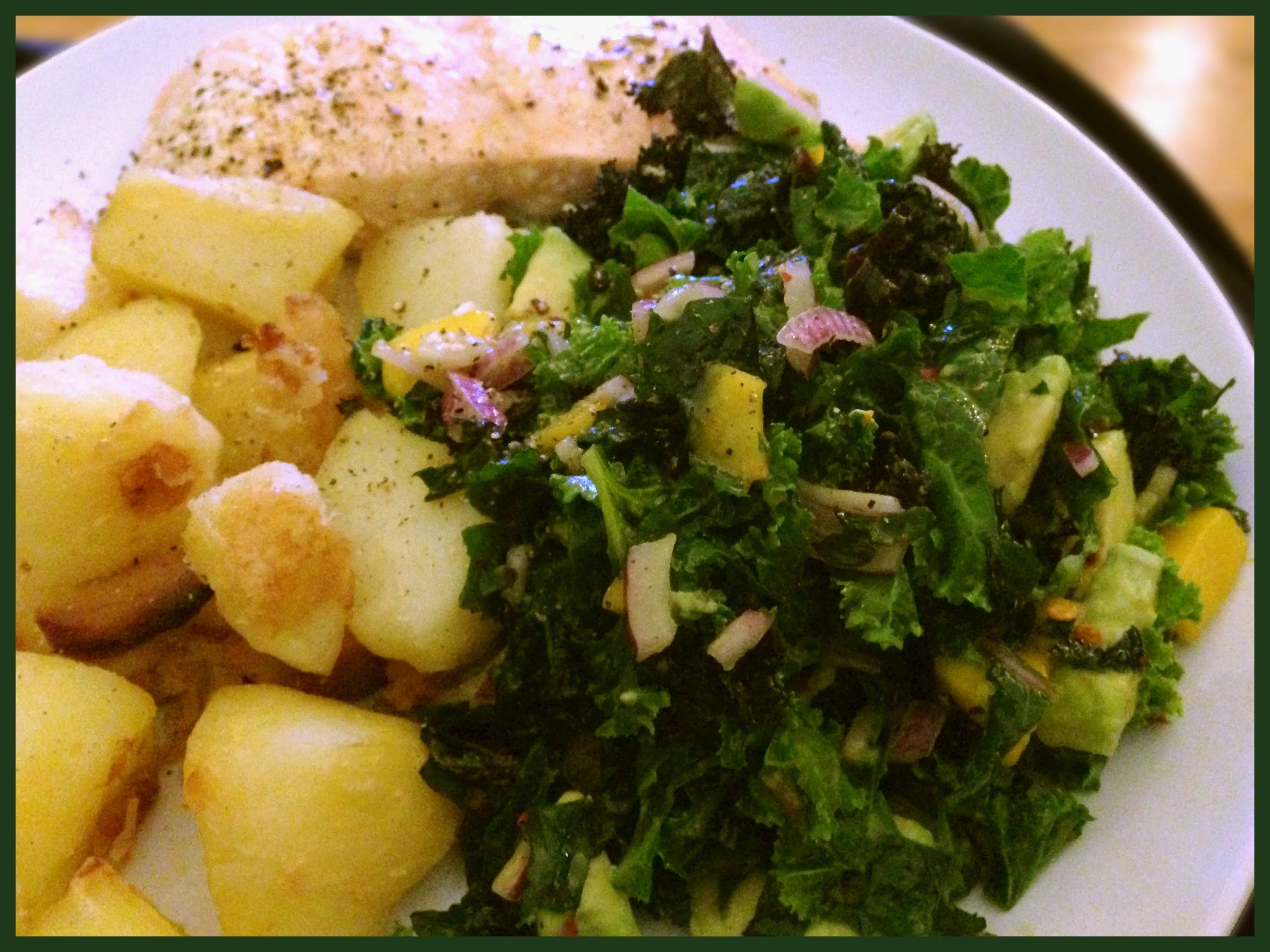
Kale, Avocado and Mango Superfood salad
Kale is considered part of the Brassica family, which also includes broccoli and cabbage. But if you don't like cabbage please don't let that put you off. As the 'Queen of Greens' kale is a superfood packed with plenty of health benefits as listed below and there are numerous ways to prepare this beautifully dark leafy vegetable. Such as my Kale, Avocado and Mango superfood salad, which is quick and easy to make.
1. Firstly grab yourself some locally sourced organic kale. There are a variety of types and they're each as good as the other.

3. Place into a bowl. Add a bit of salt, the juice of half a lemon and a drizzle of extra virgin olive oil.
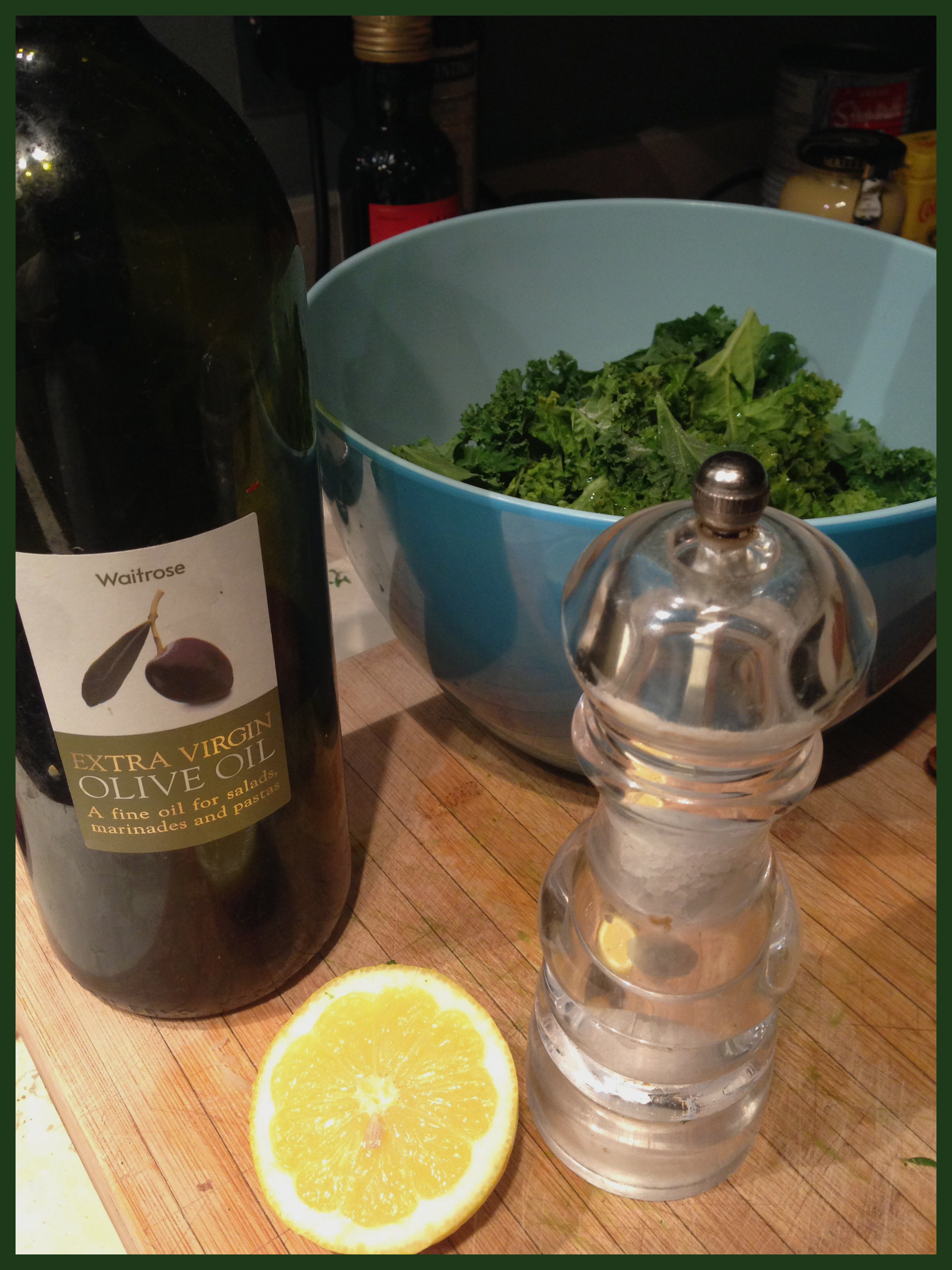
5. Add a teaspoon of honey, some diced mango, chopped red onion, avocado and chilli flakes. Mix well and serve with any accompaniment of your choice.

2. If the kale you have has the stems attached, chop these off and cut the leaves into smaller pieces.
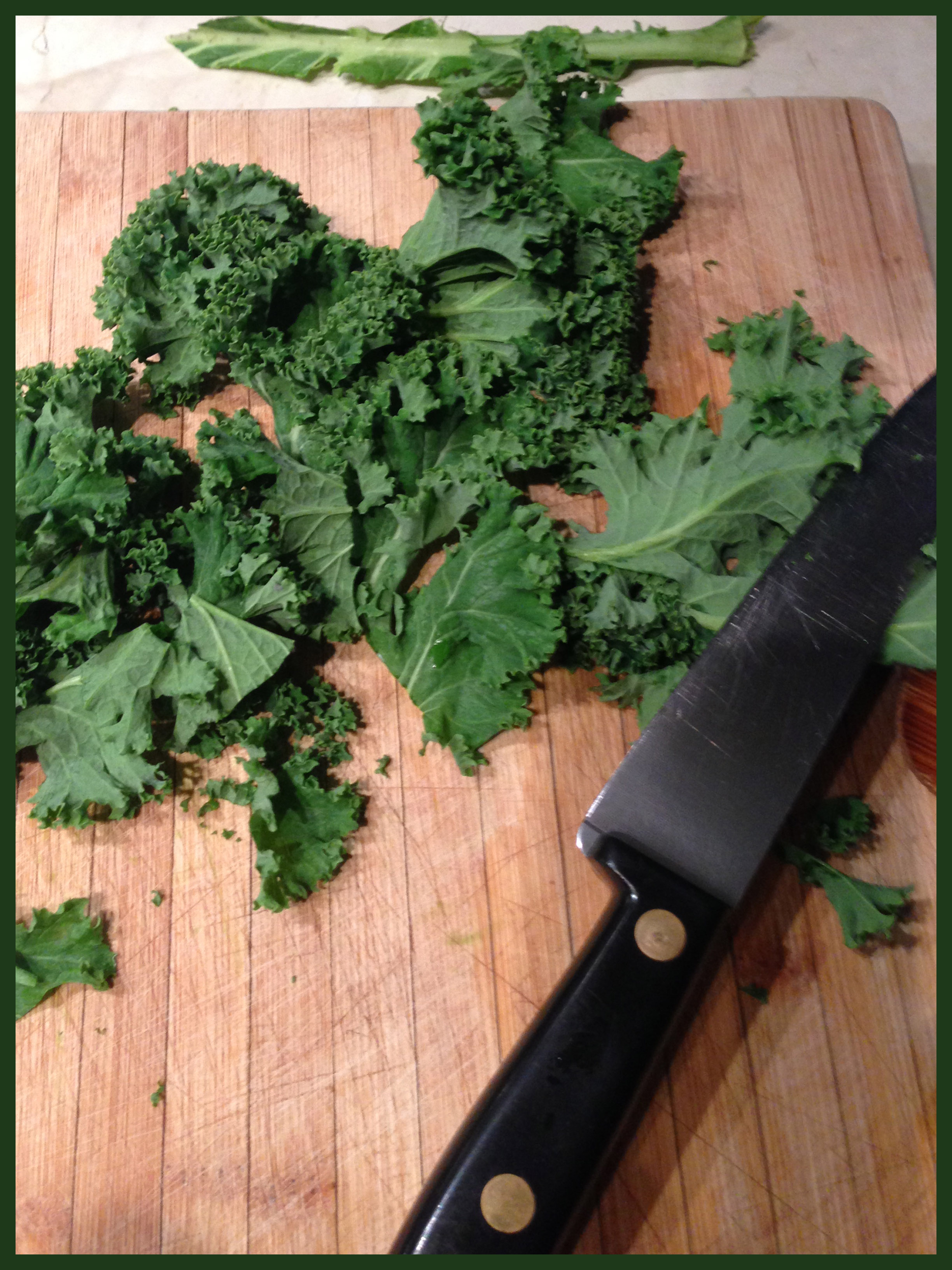
4. Here's where you work for your supper. Firmly squeeze the kale in your hand until you feel it has broken down and is nicely moist. It will greatly reduce in volume in the bowl.

Benefits of kale
- High in Iron
- High in Fibre
- Low calorie
- High in vitamins A, C & K
- High in Calcium
- Great source of anti-oxidants
- Good source of minerals: copper, manganese, potassium & phosphorus
Kale is great for vision and eye health, it can lower cholesterol levels and reduce the risk of heart disease. It contains many of the anti-oxidants that are associated with anti-cancer health benefits. Caution should be shown for those on Warfarin or anti-coagulants due to its high levels of vitamin K.
KALE, AVOCADO AND MANGO SUPERFOOD SALAD WITH ROAST POTATOES, ROAST GARLIC AND GRILLED SALMON. BOOM!


The Importance of Sleep
Sleep is arguably the most important behavioural experience that we have. On average we spend about 36% of our lives asleep. That's 32 years of a 90 year life spent sleeping!* There is a culture and feeling that whilst we are asleep we are missing out on all the wonderful things of life. Many even quote the phrase 'I'll have plenty of time to sleep when I'm dead!'
Sleep is arguably the most important behavioural experience that we have. On average we spend about 36% of our lives asleep. That's 32 years of a 90 year life spent sleeping!*
It varies from place to place but generally sleep is not placed very high up on the list of life's priorities. There is a culture and feeling that whilst we are asleep we are missing out on all the wonderful things of life. Many even quote the phrase 'I'll have plenty of time to sleep when I'm dead!' If we are sleeping we are not eating, we are not drinking, we are not watching the football or in the gym, not making money (although some are, I guess they'll sleep well) we are not on Facebook, Twitter or engaging in relationships (having sex). We are disconnected from the world. So as we are missing out on all this 'stuff' the tendency is to grab a bit of sleep as needed and get on with all the other bits.
As you can imagine this is NOT GOOD. Sleep IS important, incredibly important and complicated! But why do we do it? The brain doesn't ever shut down, even whilst asleep, and it could be argued is sometimes more active during sleep.
*Intuitive restoration - R&R. We intuitively know when we need to rest and repair. Ultimately we can't avoid it without consequence. There are genes associated with restoration and metabolic pathways that are turned on during sleep.
*Brain processing and memory consolidation
The ability to learn a task, to process and remember things, greatly diminishes with lack of sleep.
This obviously includes the laying down of memory and recalling it by making neural connections.
With sleep we are more able to come up with novel solutions to complex problems. Those new important neurosynaptic connections are strengthened whereas the less important ones fade away.
Sleep is not an indulgence! It is a necessity and we as a society are sleep deprived. This means more than just being tired throughout our day.
- Teenagers need 9 hours per night for full brain performance
- The ability to sleep in a single block diminishes with the aged, but the required amount of sleep does not. So although more fragmented, the elderly still need just as much sleep.
- The body clock does not change with night shift work which means the quality of sleep is often poor as the body thinks it should be awake when you need to sleep.
And so, some of the effects of sleep deprivation are:
Danger!
The brain indulges in micro sleeps if it needs it. Which means an increased risk of accidents. Hence falling asleep at the wheel through sleep deprivation and RTA's through tiredness, poor vigilance and poor judgement and reduced responsiveness.
Weight gain.
If your sleep is reduced by 5 hours per night there is a 50% chance of becoming obese. Sleep deprivation gives rise to the hunger hormone ghrelin. The brain says 'I need carbs' and sugars to stay awake and therefore one is more likely to eat things that will increase fat stores.
Stress!
Tired people are stressed people. One of the effects of which is memory loss. The problems arise when there is sustained stress associated with sleep loss. This can lead to suppressed immunity, increasing tired peoples overall risk of infection. Increased stress often means glucose becomes a dominant part of the vasculature predisposing people to glucose intolerance and therefore diabetes type II.
Increases Cardiovascular disease as a result of increased blood pressure. It is commonly known that stress is a broad term and it's multifaceted contributors can lead to systemic diseases such as cancers.
Reduced productivity
Whether at work or otherwise, productivity can be reduced with sleep deprivation in many ways. Forgetfulness, poor creativity, poor memory, increased impulsiveness and poor concentration.
Tired brains crave stimulants. Junk food, caffeine, nicotine and various drugs. In whatever form, it must be remembered that there is no replacement for sleep. This often has health implications and as any stimulant wears off, it is usually followed by a low period. In turn when one is wired due to stimulants and then needs to sleep there is often a tendency to turn to things such as alcohol, which does not induce sleep! Alcohol sedates you. This means that the neural processes that occur during proper sleep.. Restoration, repair, memory and recall.. are harmed. Alcoholism also affects cerebellar brain function - cognition, gait, ataxia, speech and vision to name some. I could write a whole blog on alcoholism.
Are you getting enough sleep?
Do you:
Need an alarm clock to get up?
Feel grumpy and groggy in the mornings?
Take a long time to stir?
Need stimulants. Caffeine etc to get you going and/or keep you going?
Look and feel tired and irritable?
If your answers to the above are yes, then it is likely that you are sleep deprived. Research shows that Mental illness and sleep are physically linked within the brain. Those neural connections that cause normal sleep cross over with those that cause mental illness. Evidence shows that genes that cause normal sleep, when mutated predispose people to mental illness. A gene linked to pschitophrenia when mutated also smashes sleep which is evidence of a link. Sleep disruption is always present in severe mental illness.
So how can we sleep better?
Understand the importance of sleep and push it up your list of priorities.
Realise that it will make the moments that you are awake more productive, creative, efficient, safe and enjoyable.
Regulate your sleep. Aim to go to bed at the same time each night and wake up at the same time the following day. You'll soon find that your body clock knows this pattern and you'll wake feeling rested and energised without the need for an alarm.
Avoid having caffeine too late in the day.
Wind down before bed and reduce brain stimulation/activity such as light exposure, computers, mobile phones, television and loud noise.
Make your place of rest as comfortable, dark and snug as possible - a sleep haven.
Seek out morning light. Light exposure in the morning is good to help set the biological clock to the light / dark cycle.
We are extremely well designed intuitive human beings. The body has its own medicine chest containing all it needs for healing and homeostasis. Sleep is one of these mechanisms. Embrace and enjoy it, you will without a doubt feel the benefits.
*Adapted from Russell Foster - The neuroscience of sleep.

The Strength Test
Every once in a while, or more often if possible, it's good and indeed healthy to test ones inner strength. And so I propose a little self challenge. This is theoretically very simple and totally personal to the individual.
I had posted this on Facebook a while ago, but thought I'd repost it here as a good friend of mine recently took on this challenge and has now given up smoking! Well Done to him. He'll benefit way more than he currently realises.
A test of inner strength that is..
Every once in a while, or more often if possible, it's good and indeed healthy to test ones inner strength. And so I propose a little self challenge. This is theoretically very simple and totally personal to the individual. Therefore it's level of difficulty is set by you, how well you do is monitored by you and what you gain from it will be totally personal to you.
The 24 hour abstinence test. So this could be anything.. The morning coffee that you 'need' (?), or the 5 you have throughout the day. The chocolates you always tear your way through every lunchtime. Alcohol that you now seem to be drinking EVERY day. Smoking! (this is a great challenge to set), eating fast food, not using Facebook!! Crispy bacon? - The possibilities are endless
Remember this is an abstinence test of inner strength, so for the set period of time (preferably a minimum of 24 hours) you should totally stop the chosen activity. Reducing it doesn't count. And the best part is, after you've completed the test, you can resume your activity :o)
Tips:
- Challenge yourself!
- There's no point giving up alcohol for 24 hours on Sunday when you've been drinking for 24 hours on Saturday.
- Try to pick something that you will benefit from in some way.
- It must be challenging and personal to you.
- Post your coments, thoughts, experiences and challenges
WHY??
Well, because you can. Or can you? It's sometimes an interesting test to take because it's an opportunity to find out how much of a slave to things you are. Or to put it another way,how much in control you are of yourself. A test of character and a test of strength.
Please post your coments, thoughts, experiences and challenges.
New Year, New You?
As January 2020 takes us into a new year and a new decade the promise of a better, healthier lifestyle tempts us off the sofa and out of our comfort zone.
But before we begin we should assess how that might affect our body. Don’t let the niggles of last year interrupt your good intentions or chances of success.
We’ve already seen a trend of eager resolutions hit their first hurdle from going too hard, too soon or ignoring past issues.
Injury Therapy Pro can help you put your best foot forward, to manage your new movement manifesto, and guide you to your goals in a safe and achievable way.